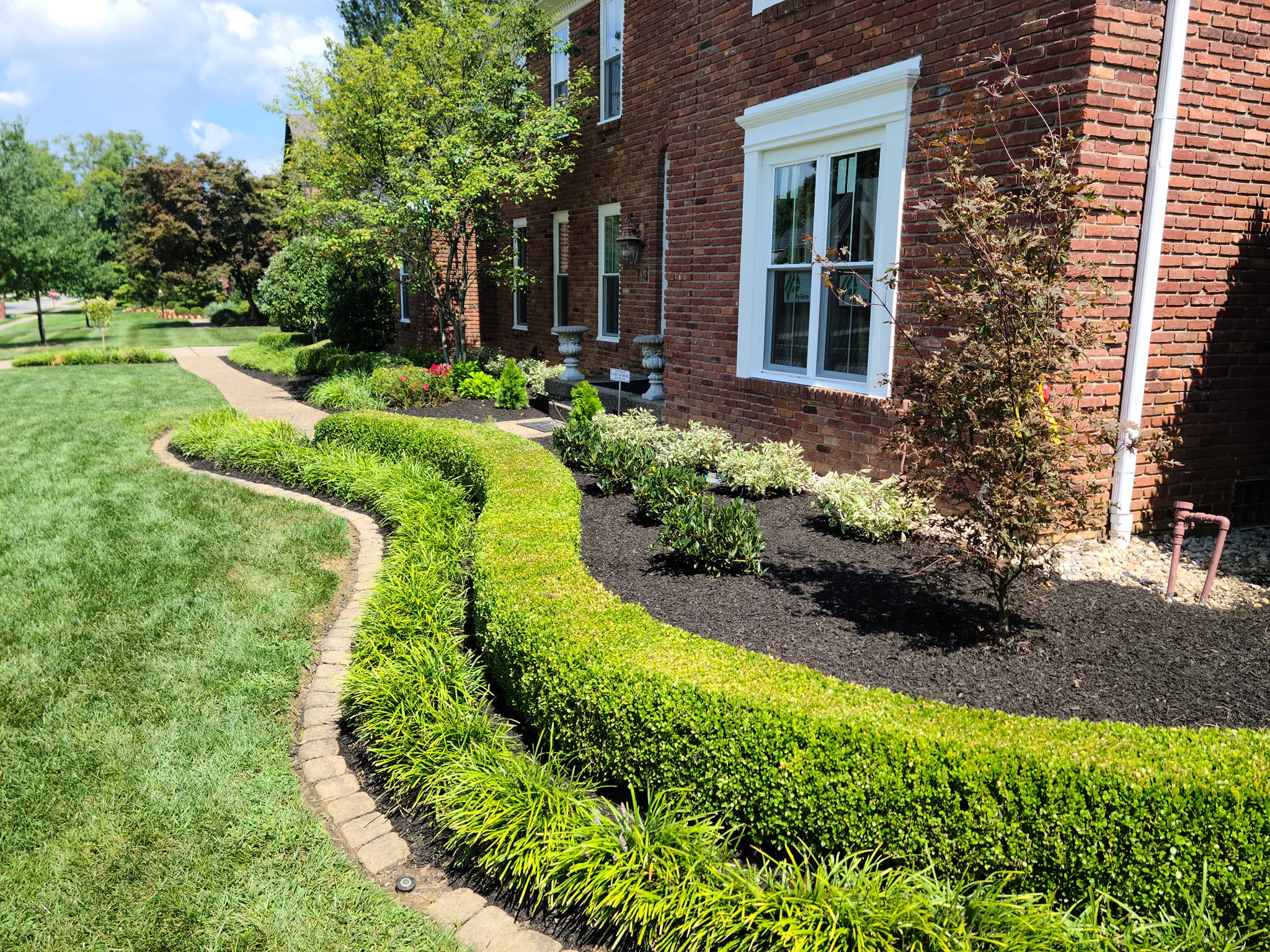
Creating Biodiverse Landscapes: Strategies for Attracting Pollinators May 17, 2026
A key step in attracting pollinators is to incorporate a variety of native plants into your landscape design. These plants are naturally acclimatized to the local environment and have established symbiotic relationships with local pollinators. Choosing a diverse range of species that bloom at different times of the year ensures that pollinators have a steady food supply from spring through fall. Plants like lavender, coneflowers, and goldenrod are not only hardy and low-maintenance but also popular among various pollinators.
The layout of your garden can also influence pollinator activity. Grouping plants in clusters rather than spreading them out creates a more inviting environment for pollinators. Clusters of vibrant blooms act as beacons to pollinators, making it easier for them to access multiple food sources without expending unnecessary energy moving from one isolated plant to another. This planting technique encourages more frequent visits from pollinators, thereby enhancing their impact on your garden.
In addition to plant selection and layout, it is essential to create habitats that provide shelter and water for pollinators. Pollinators, like all wildlife, require safe spaces to rest and nest. Incorporating elements such as small water features, rock piles, or managed hedgerows can offer these needed resources. Beyond providing just food, these features ensure a well-rounded habitat that supports all stages of a pollinator's lifecycle.
Avoiding the use of chemical pesticides and herbicides in your garden is also critical when aiming to attract and protect pollinators. Many of these chemicals can be harmful, if not lethal, to pollinators and can disrupt the ecological balance of your landscape. Instead, consider integrated pest management techniques, such as encouraging natural predators or using organic treatments, to maintain plant health without compromising your garden's biodiversity.
If you are considering a hardscaping project as part of your landscaping efforts, thoughtful design can further support pollinator presence. Incorporating structures such as trellises and pergolas can provide climbing space for vine plants, like clematis and honeysuckle, which are particularly attractive to pollinators. Additionally, permeable paving solutions allow rainwater to nourish the soil, promoting plant health and providing natural hydration for pollinators.
In conclusion, creating a biodiverse landscape that attracts and supports pollinators is a multifaceted process. By selecting native plants, arranging them in strategic clusters, providing necessary habitats, avoiding harmful chemicals, and incorporating thoughtful hardscaping, you can cultivate an environment where pollinators thrive. At All Seasons Property Maintenance, we are committed to helping you design and maintain landscapes that are not only beautiful but also environmentally responsible. Reach out to us for expertise in creating a pollinator-friendly garden that enhances your outdoor space while contributing positively to the environment.
/filters:no_upscale()/filters:format(webp)/media/4b6c051a-976e-4c4a-a502-b50946ecfff5.jpeg)
/filters:no_upscale()/filters:format(webp)/media/b2a675db-9dad-4f9d-9bf3-9a6e85ae5029.jpeg)