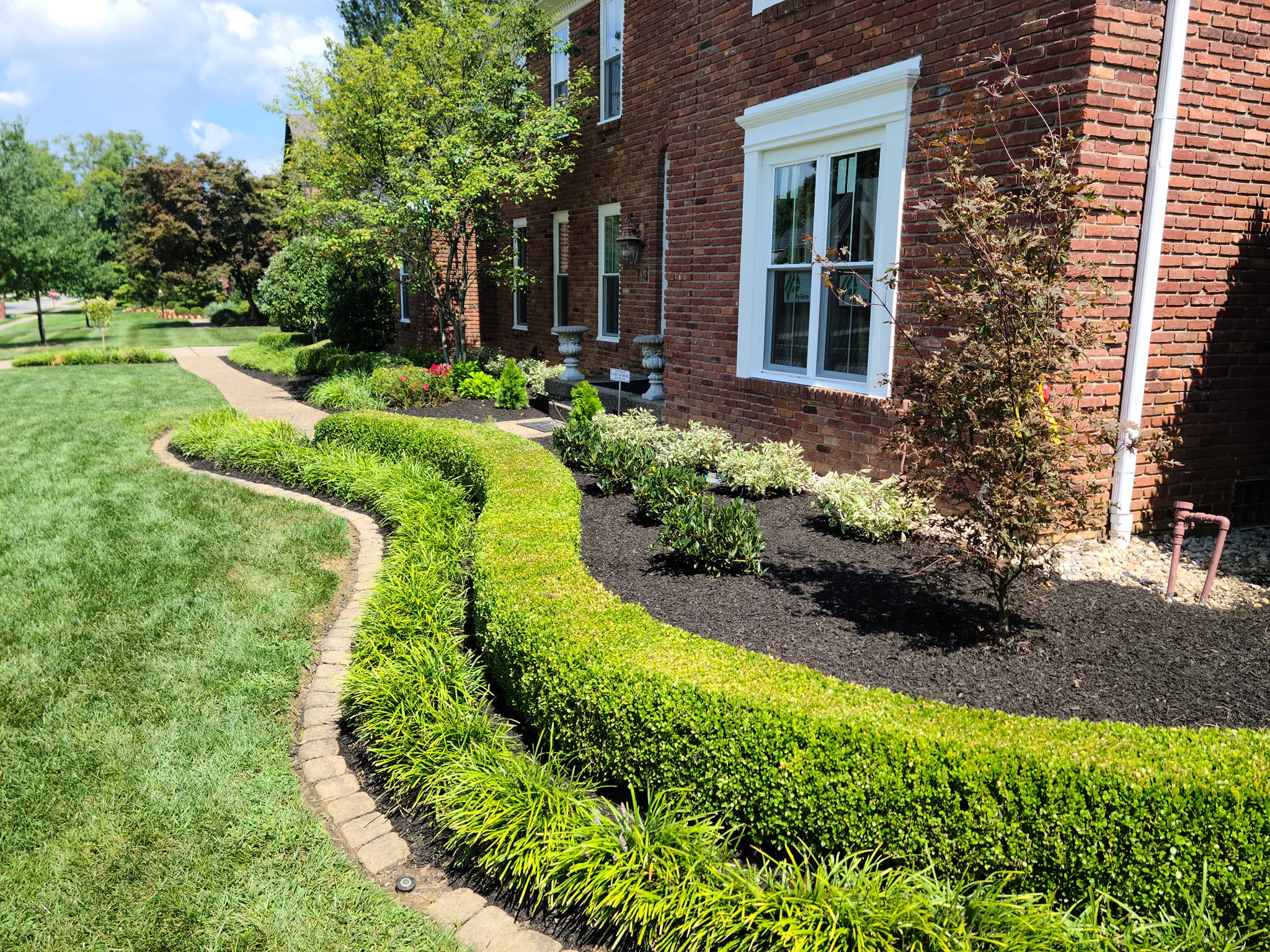
The Harmony of Softscaping and Hardscaping: Balancing Beauty and Function Feb 09, 2026
Softscaping refers to the live horticultural elements of a landscape, which include plants, trees, and shrubs. These elements breathe life into your garden, offering color, texture, and even seasonal variations that can transform your outdoor experience. On the other hand, hardscaping involves the non-living components such as patios, walkways, retaining walls, and other structures that provide function and form to any landscape.
The integration of softscaping and hardscaping elements has become a staple in modern landscape design. The combination not only enhances the visual appeal of a property but also integrates functionality into the outdoor space. Creating harmony between these components involves careful planning and design expertise, which is where a professional service like All Seasons Property Maintenance comes in.
To achieve the perfect balance, it is essential to start with a detailed plan. Consider the purpose of your outdoor space. Is it for relaxation, entertainment, gardening, or perhaps a combination? Define the primary functions you wish to prioritize, and let these objectives guide your design choices. Once you have a clear vision, introduce hardscape elements that complement the intended use of your space. For example, a well-placed patio with comfortable seating and a fire pit can serve as an inviting social hub.
Integrating softscape elements is the next step. The choice of plants should match the overall aesthetic you wish to achieve while being compatible with the local climate. Native plants are an excellent choice as they require less maintenance and adapt well to the environment, minimizing water usage. Additionally, consider the seasonal dynamics of your plant choices. By selecting a variety of plants that bloom at different times, your landscape can offer year-round interest.
One of the common challenges in balancing softscaping and hardscaping is ensuring that one does not overpower the other. Plants should enhance the hard structures, softening their edges while providing visual interest and cohesion throughout the garden. Conversely, hardscape elements should define and ground the softer aspects of nature, offering pathways and spaces where nature can be admired up close.
Sustainability is an increasingly important consideration in landscaping. By designing with sustainability in mind, you not only create a beautiful space but also one that is environmentally responsible. Incorporating permeable materials for driveways and paths, using drought-tolerant plants, and implementing efficient irrigation systems are just a few examples of environmentally friendly practices that can be embraced.
Ultimately, the successful integration of softscaping and hardscaping comes down to the artistry and expertise of those who plan and implement these designs. A knowledgeable team like All Seasons Property Maintenance not only brings years of experience to the table but also a passion for creating spaces that homeowners will cherish.
In conclusion, the harmonious blend of softscaping and hardscaping in landscape design is a delicate dance between beauty and function. By considering both elements carefully and enlisting expert help, you can transform any outdoor area into a stunning, functional sanctuary that enhances both your property and lifestyle.
/filters:no_upscale()/filters:format(webp)/media/4b6c051a-976e-4c4a-a502-b50946ecfff5.jpeg)
/filters:no_upscale()/filters:format(webp)/media/b2a675db-9dad-4f9d-9bf3-9a6e85ae5029.jpeg)